I don’t know where you are right now.
Maybe we’ve already crossed paths and didn’t know it. Maybe you’re somewhere living your life, growing, healing, working, traveling, raising a family, chasing your own goals, or simply becoming the man I’ll eventually meet.
But today, I wanted to write to you anyway.
I’ve spent a lot of my life being strong.
I’ve built a career, raised an incredible daughter, traveled to places I once only dreamed about, earned degrees, led people, started over in new countries, and learned how to create a full life for myself.
And I’m proud of that life.
I’m not waiting for you to come save me from it.
I’m waiting for someone who wants to share it with me.
I want the kind of relationship where we genuinely like each other. Where we laugh often, communicate consistently, and feel safe enough to be completely ourselves.
I want to know what happened during your day. I want you to call me because you thought about me, not because three days passed and you remembered you should probably check in.
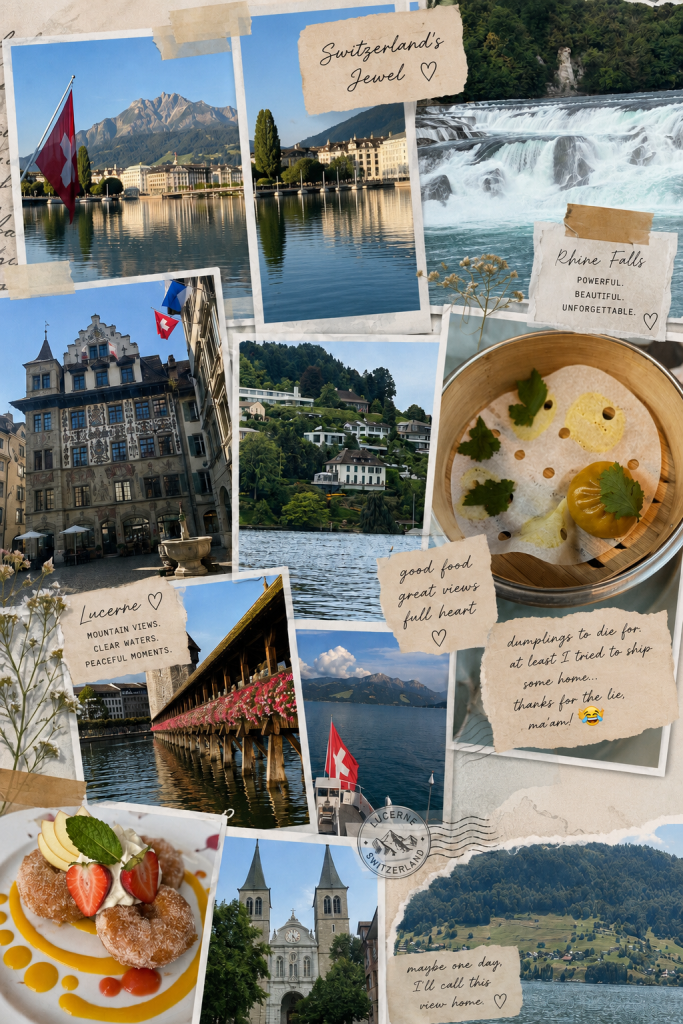
I want us to travel together, try restaurants, wander through Christmas markets, take ridiculous amounts of pictures, sit quietly reading or doom scrolling in the same room, and somehow make ordinary Tuesdays feel good too.
I want romance, but I also want friendship.
I want affection.
I want consistency.
I want honesty, even when the truth is uncomfortable.
I want a man who knows how to communicate, apologize, grow, and show up.
And I want to give you those same things.
I’m not expecting perfection from you because I certainly won’t bring perfection to the table either. We will both have histories, habits, fears, quirks, responsibilities, and probably a few things that drive each other absolutely crazy.
But I hope we choose each other through all of it.
I hope we protect our relationship instead of constantly testing it.
I hope we never become too comfortable to date each other.
I hope we laugh until our stomachs hurt.
I hope our home feels peaceful.
I hope my daughter sees what healthy love looks like when she looks at us.
I hope our families become family.
I hope you understand that I am independent, but that doesn’t mean I don’t want to be cared for.
I hope you know the difference between a woman who can do everything herself and a woman who should have to.
And yes, Future Husband, I hope you know you’re fine.
Not arrogant. Not doing too much. Just confident enough to know you look good and secure enough to laugh when I remind you that you are, in fact fine as a bag of chips.
Because I want that kind of chemistry too. The kind where I still look at you across a room and think, “Whew, that’s my man.”
We are allowed to have chemistry in this love story.
I hope you’re confident enough to stand beside a strong woman without needing to compete with her.
I hope you have dreams of your own.
I hope you love deeply.
I hope you’re intentional.
I hope your words and your actions match.
Most of all, I hope when we finally meet, neither of us is looking for someone to fill an empty space.
I hope we are two whole people who recognize that life could be even sweeter together.
I don’t know when you’re coming.
I don’t know how we’ll meet.
I don’t know what chapter of my life you’ll walk into.
But I do know this:
I am no longer interested in inconsistent love, almost relationships, mixed signals, or connections that require me to shrink my expectations just to keep someone around.
I want something steady.
Something mutual.
Something safe.
Something real.
And wherever you are, I hope life is preparing you for me the same way it has been preparing me for you.
Until then, I’ll keep living.
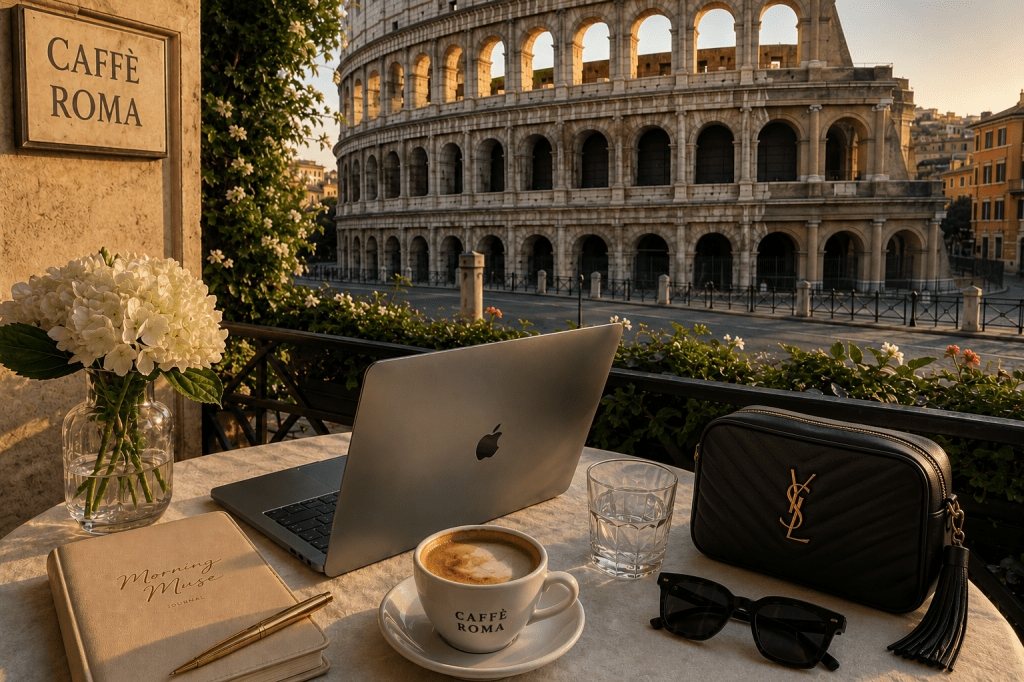
I’ll keep traveling.
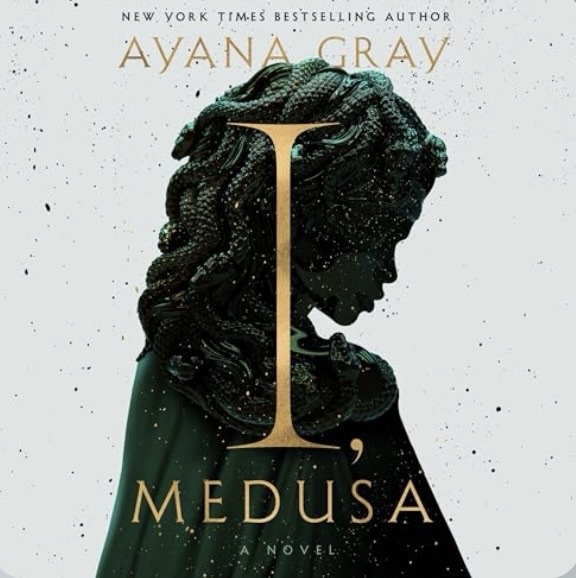
I’ll keep reading.
I’ll keep laughing.
I’ll keep building the life I love.
And maybe one day, you’ll read this and laugh because you’ll know this letter was about you before I even knew your name.
See you when you get here.
Love,
Your Future Wife